Feeds:
Posts
Comments

Posts Tagged ‘John Hiett’

Unless you have an ancestor who was abducted by aliens, pairing genealogy with Science Fiction could be tricky. Family history by definition occurs in the past and most Sci-Fi takes place in the future. I assure you, I am not aware of any of my forebears who had an alien encounter, yet I found a way to plug four of my great- great- etc. grandfathers into my soon to be published Freedom is a Distant Star.

Let’s back up. My first novel Trials by Fire is set in the present day, on a planet that has only plant life. The main character, Fern, is from Earth and is curious about the origin of humans on a planet with no other animal life. She is told they were brought here by Moses, who helped their ancestors escape from their alien abductors and colonize this world. A young man named Tiril, one of the few people on the planet who speaks English, translates the “Tale of Moses and Rila” into English for Fern’s benefit. One evening around the campfire, he recites the story.

Moses, an enslaved man in 1850s Virginia, escapes to Canada and freedom. Moses has latent paranormal abilities that sometimes help him get out of tight spots. While building a new life in Canada, he is abducted by aliens who enslave humans with psychic abilities. The “thortles,” as they are called, use psychics for interstellar communications, thoughts being faster than radio waves.

Although better treated than he’d been on the plantation, Moses resents being enslaved again and never ceases to look for a way to escape. Meanwhile, he falls in love with Rila and they have children. After many setbacks, they find a suitable unpopulated planet and travel there by “wrashiru” (psychic teleportation). Then, 100 years later, Fern arrives accidentally by wrashiru.

What began as a chapter of backstory refused to stay confined to the pages of Trials by Fire. The story of Moses and Rila grew in my mind until it demanded to be brought forth as its own novel. Last year, I entered the manuscript in the Royal Palm Literary Awards and it was judged Book of the Year (Unpublished). An unapologetic perfectionist, I’m now working on final edits and will publish it soon.

Back to the point of this post. On his way to Canada, Moses travels through parts of what is now West Virginia and Pennsylvania. I had ancestors in both places at the time of Moses’s escape. Why not use them as characters in the story?

The first people to help Moses are a Quaker couple, Evan Hiett and his wife. Evan Hiett was a popular name in Hampshire County, Virginia and more than one grace my lineage. Rather than choose one in particular, I fictionalized a character based loosely on history.

After sheltering Moses for a few days, Evan sends him to his cousin, John Hiett, in Middleway, in Jefferson County, now West Virginia.
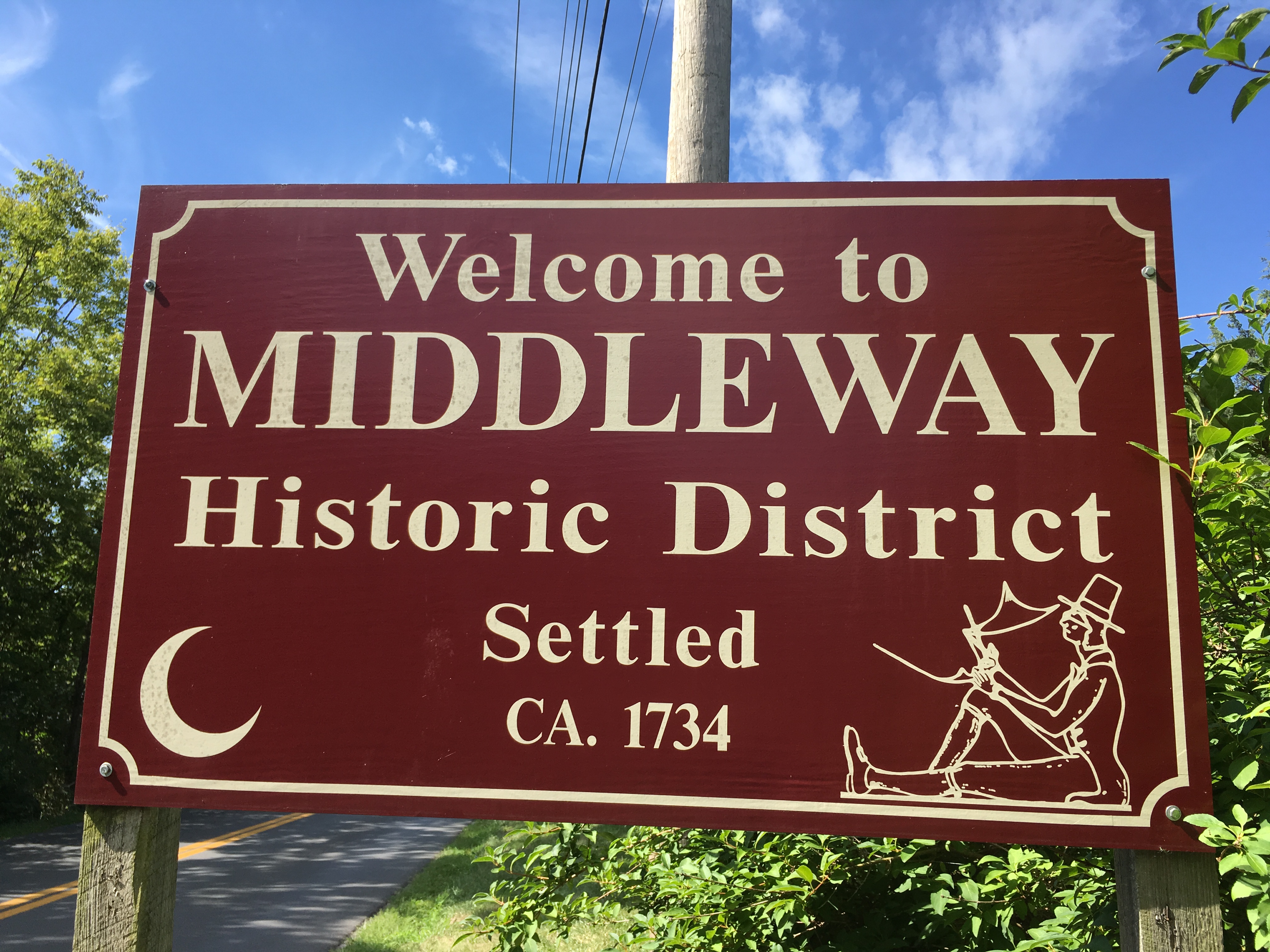
John Hiett was a real person. He had a farm on nearby Opequon Creek.
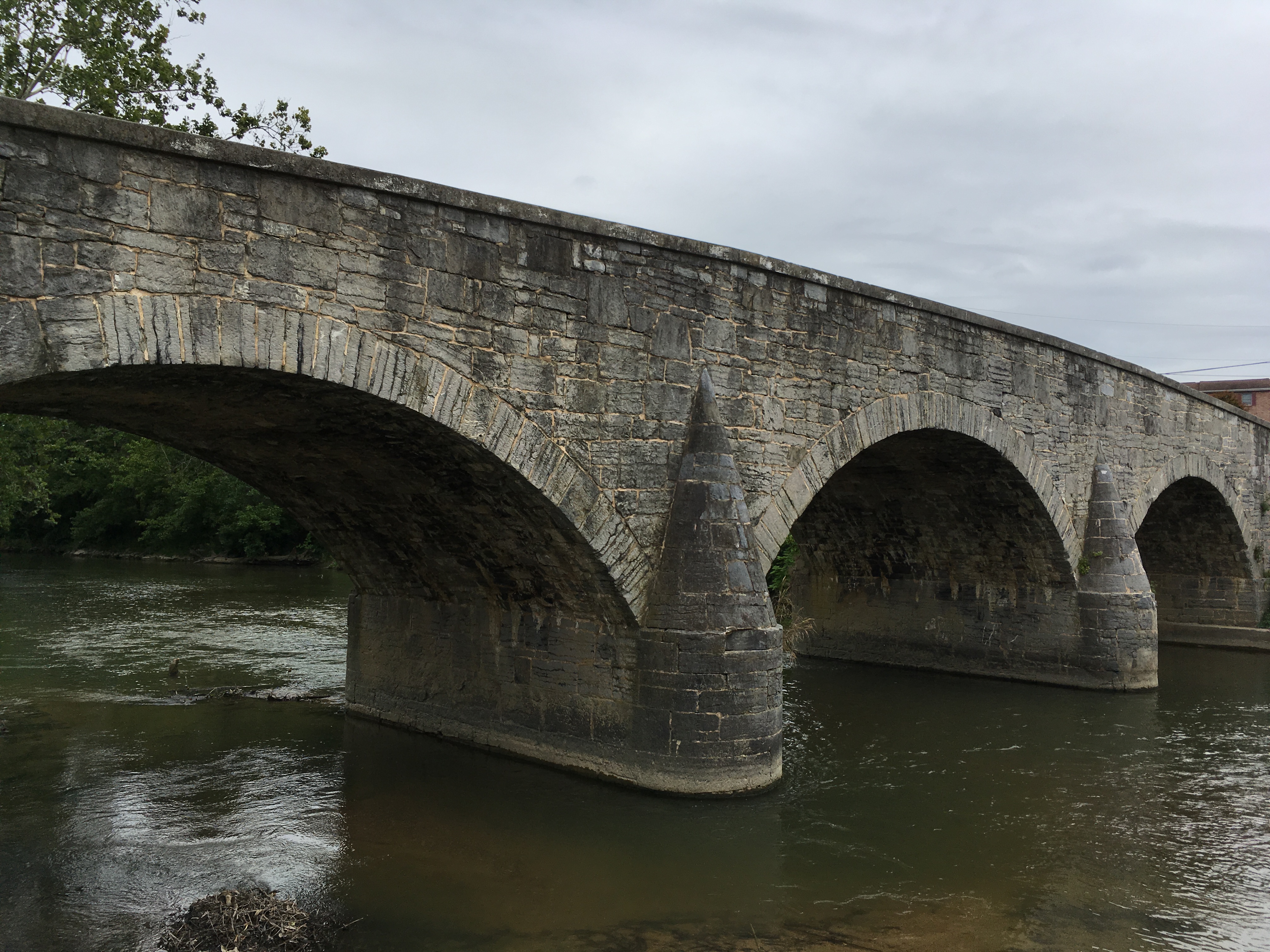
Opequon Creek

Several years ago, I visited Middleway.
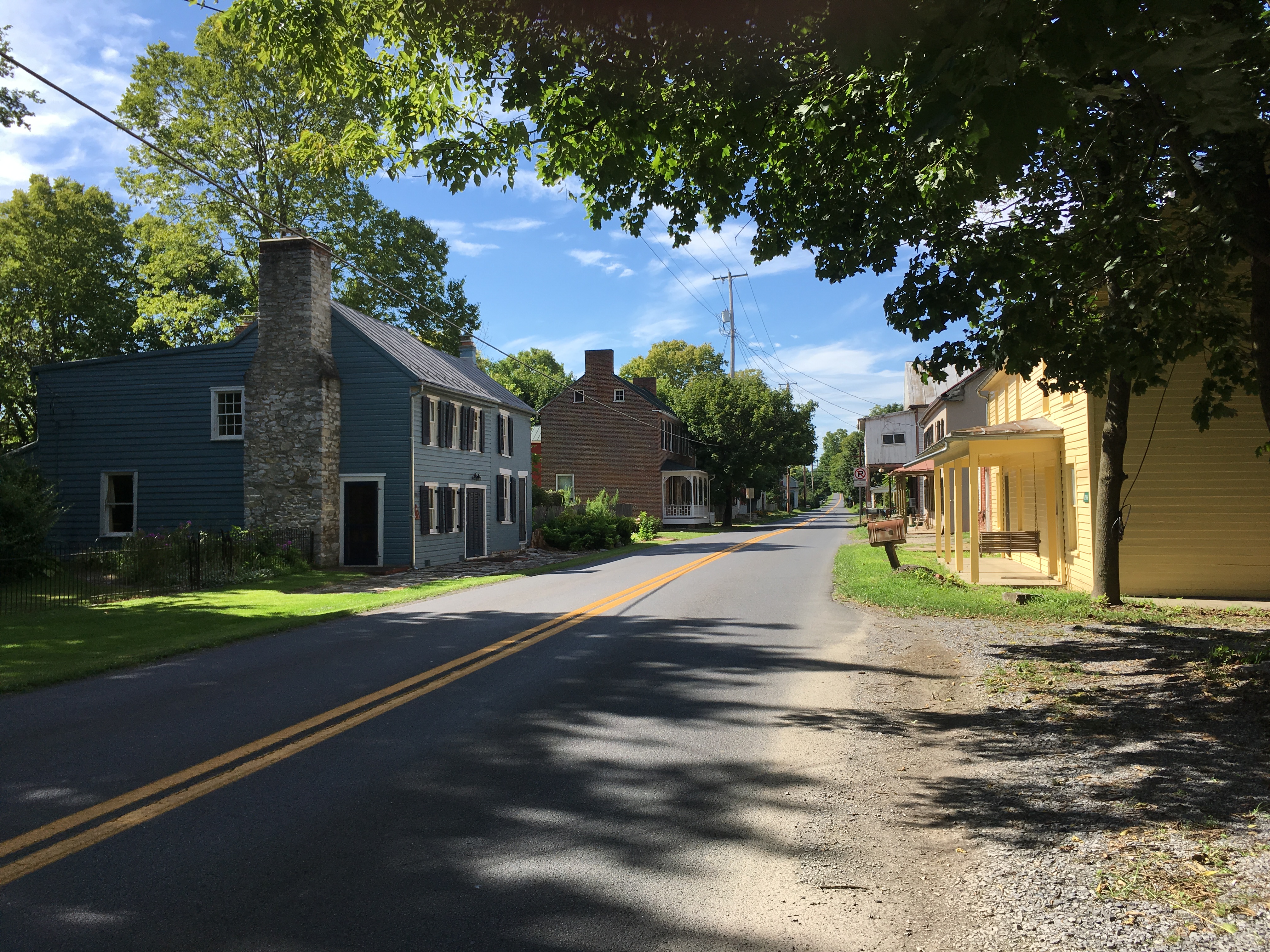
I didn’t find John’s farm, but I was enchanted by the quaint village that has changed so little over the past century and a half.
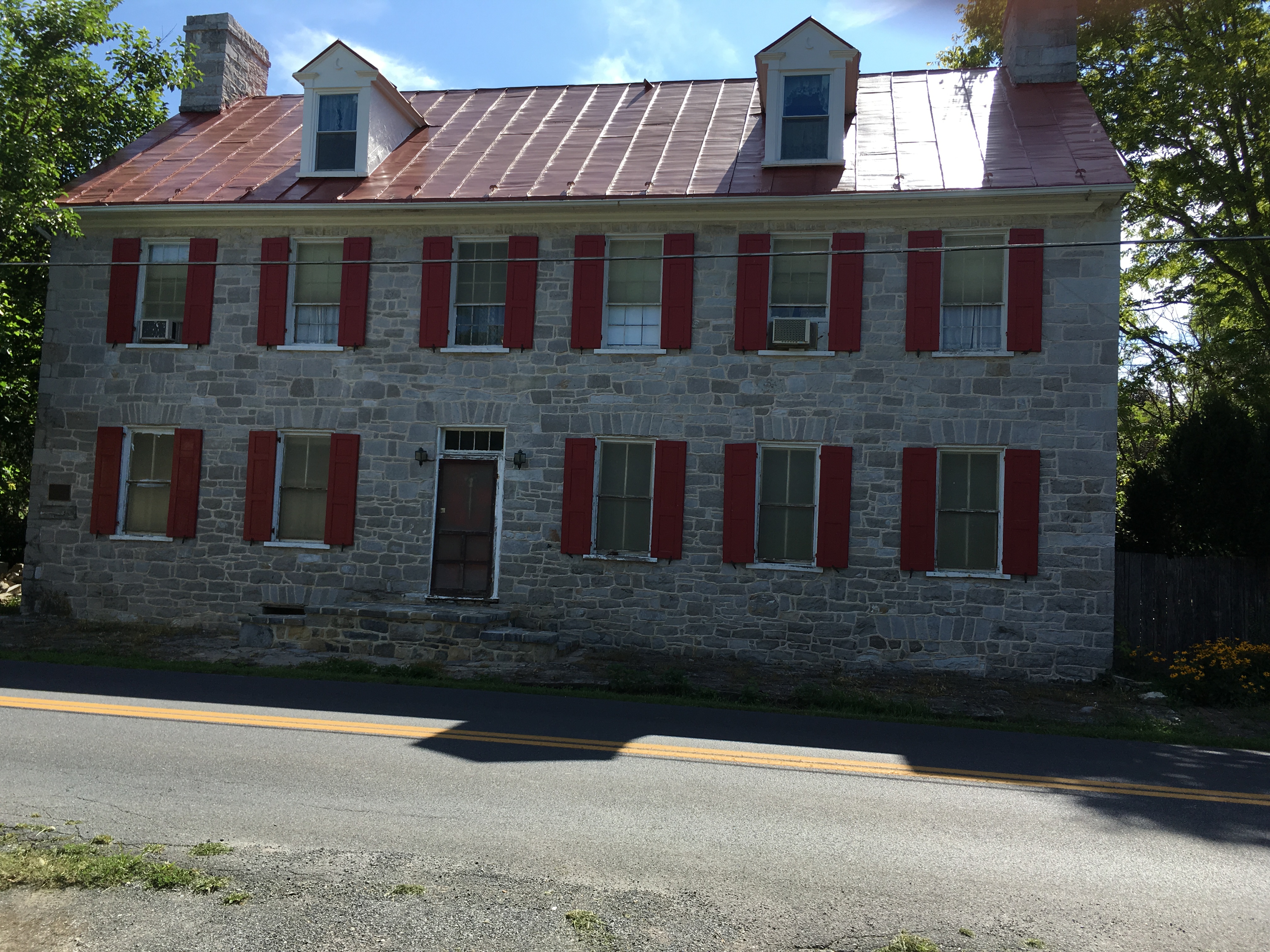
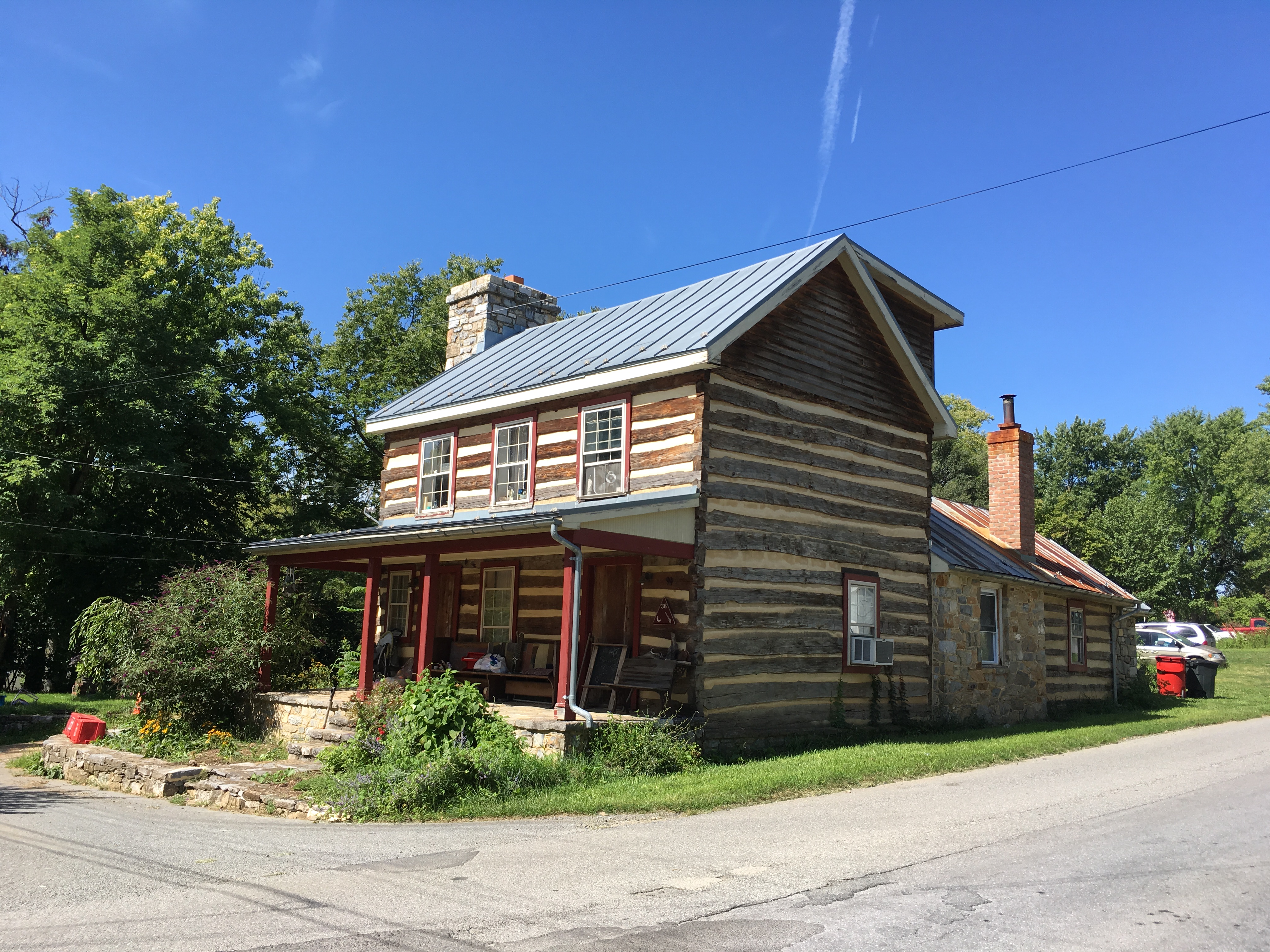
In the story, John takes Moses to Shepherdstown, near Harper’s Ferry, where members of the Underground Railroad send him on the next leg of his journey.

In Pennsylvania, Moses is befriended by the family of David and Eunice Perkins, who helps him get to western New York State where he could cross into Canada. David Perkins was actually David Rogers, but in the story I used Eunice’s maiden name, Perkins. David Rogers’s ancestors were actually slave owners in Connecticut in the 1700s. (We all have skeletons in our woodsheds.) Later, they saw the error of their ways and became abolitionists.

David was a quirky fellow, and I tried to bring his personality to life in the novel. His son William Lewis, my great-great grandfather, is a teenager in the story. William later served in the Civil War, homesteaded in Kansas, and eventually ended up in West Virginia. His son John Thomas, my great grandfather, married Rebecca McDonald, who was descended from the Hietts. That’s how I came to have roots in both WV and PA.

You, dear reader, are the first to know my secret. None of my advanced readers were aware of my relationship with the Hiett and “Perkins” characters, and no one has questioned their roles in the story. So the answer is yes, you can use family history in Science Fiction. I like to think that by using people with whom I have a connection, I could better breathe life into the characters. Besides, it was fun.

My ancestors are heroes in the story. If not for the Hietts, Moses may not have made it as far as the Potomac River. David “Perkins” didn’t just point Moses in the right direction, he took the time to drive him from Montrose, PA to Elmira, NY. Of course, there were others who helped him on his way to Canada. After he left Earth, however, I had to depend on purely fictional characters. To my knowledge, I have no relatives residing on other planets.

Read Full Post »

This summer I spent a few weeks in West Virginia with my granddaughter Tiffany and her family. They live near Kearneysville in the state’s eastern-most county, Jefferson County. Her husband Justin comes from a huge extended family. Both of his parents came from large families, as in ten or so kids, and their parents as well. He said none of them move away. They just stay there, generation after generation. He has so many cousins, known and unknown, that he wouldn’t date a girl from West Virginia. He played it safe, he thought, by marrying a girl from Florida.

My great-grandmother came from three counties away, Hampshire County, from the little community of Slanesville. Like Justin’s family, her forbears settled there in the 1700s and stayed, until one of the wandering Rogers, my great-grandfather John Thomas, married her and carted her off to upstate New York. I can see why they stayed. Unlike most of mountainous West Virginia, this area in the North River Valley is blessed with rolling hills and good farmland.

Slanesville, WV, looking toward the North River

Slanesville, WV. Looking toward the North River

Whenever I’m in the neighborhood, I like to do a little genealogical research. This can be challenging because these folks practiced subsistence farming and recycled most everything. They even recycled names. Say you have a man named John. He names his oldest son John. Half of John’s ten or so children might be boys. John, Jr. and each of his brothers name a son after their father, and in only three generations you end up with a half dozen or so men with the same name, and many of them are cousins about the same age. I’ve run into this sort of thing trying to trace my roots. I try to sort them by birthdates. Have you ever written a number or date wrong? Family historians are human, and records are not always accurate, if they even exist. Hampshire County libraries have good historical records, but I’ve been stymied by who is my ancestor and which are distant cousins. So before venturing over to Hampshire County, I went through my notes and wrote down the vital statistics of the people I was looking for.

One branch of the family tree is the Hietts. The name has variously been spelled as Hiatt, Hiet, Hyet, Hayet, and Hyatt. And the line is full of Johns. My ancestors John and Mary Hiett, Quakers, were born in England and joined William Penn in Pennsylvania around 1700. They had a large estate near Philadelphia and produced several children, among them, John Hiett, Jr. He married Margaret Stephens and they eventually ended up in Hampshire County, which at the time was part of Virginia.

Poring over my notes, I found an interesting tidbit: after they left Pennsylvania, before moving on to Hampshire County, the Hietts owned land in Frederick County, Virginia. In those days, the colonies were divided into large counties, which were later broken up into the smaller counties we know today. The part of Frederick County, Virginia where John, Jr. and Margaret lived is now Jefferson County, West Virginia! My ancestor Evan Hiett was born there in 1748. Wow

Historic Bridge on Opequon Creek

Historic Bridge on Opequon Creek, West Virginia

Several miles downstream  of the Hiett holdings.

Several miles downstream of the Hiett holdings.

The Hietts lived on Opequon Creek. I’d crossed that creek a dozen times going to and from Martinsburg. They lived upstream, near the town of Middleway.  “That’s just up the road from here!” Justin said. So Tiffany and I drove up the road to Middleway. I expected, at most, a sign indicating where the historical town once stood, but I was pleased to find Middleway is still, in its own way, thriving.

august-2016-189

Main St. Middleway

Main St. Middleway. My ancestors settled in the neighborhood before these houses were built. 

The Gilbert House, built in the early 1800s.

The Gilbert House, built in the early 1800s.

The Elizabeth Smith House, built around 1800.

The Elizabeth Smith House, built around 1800.

Masonic Lodge and Schoolhouse, early 1800s.

Masonic Lodge and Schoolhouse, early 1800s.

Opequon Creek flows from what is still Frederick County, Virginia, forms the county line between Jefferson and Berkeley Counties, and empties into the Potomac River. John, Jr. had farms on both sides of the creek. Property records still exist, so one day I may go back and locate them.

When John, Jr. and Margaret moved to Hampshire County, Evan went with them. He settled in the town of North River Mills where the restored Hiett Log House still stands. (You can see this house at http://www.historichampshire.org/nrm/building/finelli.htm).

In 1784, Evan “Hyett” was listed as the head of a family of eight “white souls,” with one dwelling and four out buildings. He married Sarah Smith and their daughter Margaret married Benjamin McDonald whose father had emigrated from Scotland. One of their descendants was Rebecca McDonald Rogers, my great-grandmother.

Evan’s brother John Hiett III stayed in present day Jefferson County. Eventually, some of the Hietts and their descendants scattered to the Carolinas, the Midwest, and who knows where else. But not all moved on. Uncle John is reportedly buried at the Hopewell Friends Cemetery in present day Frederick County, Virginia, less than ten miles from Middleway. Sons are fairly easy to trace, but daughters marry and change their names. Who knows what names my distant cousins in Jefferson County go by?

Uh, Justin, I hate to tell you—maybe you didn’t go far enough away to find a wife who’s not your cousin.

Read Full Post »

Writer Beware

Shining a small, bright light in a wilderness of writing scams

Abandoned Southeast

Preserving the Past | A Photoblog of Hundreds of Abandoned, Historic, and Forgotten Places

Bonnie T. Ogle

Award Winning Childrens Author

filmmaven

A great WordPress.com site

The Tony Burgess Blog

The Home Of T-Bird From The Dork Web.

Wells Family Genealogy

The study of my Family Tree

Alien Resort

A Terrestrial Romance

douglasfelton.wordpress.com/

Compelling Young Adult fiction from author Doug Felton

Hidden River Arts

Dedicated to Serving the Unserved Artist

Green Life Blue Water

Where Eco Meets Life

Pattie Remembers

Sunsets and Buzzards, and Other Stories

koolkosherkitchen

Welcome to my Kool Kosher Kitchen where food is fun and fun is to create food!

The Life in My Years

An anthology of life

cookingforthetimechallenged

Fast, easy, all natural, healthy, kosher cooking

CarpeDiemEire

Travel Through Ireland and Europe